
Sunny Isles Beach Previous-Resident Sources
A Sunny Isles Beach address leaves different records in each era. The current property roll anchors the site. Recorder documents carry ownership backward, while directories and census schedules can add listed occupants. Permit and city files become stronger after incorporation. No single source proves a full household, so build a dated chain and state what each record actually shows.
| Source | Years It Covers | Where Held | What It Shows |
|---|---|---|---|
| Property Appraiser roll | Current roll; older component start unstated | Miami-Dade Property Search | Owner, mailing and situs addresses, folio, subdivision |
| Recorder web index | Most documents 1974-present | Miami-Dade Official Records | Transfers, parties, dates, CFN, book/page, legal description |
| Recorder library | Pre-1974 and other recorded files | Records Library, terminal, staff, or mail | Older deeds and indexes by party or legal identifiers |
| Regional directories | Verified issues from 1904; exact run incomplete | MDPLS and HistoryMiami | Listed people, work, addresses, and address sections |
| Federal census | Public schedules through 1950 | National Archives and library databases | Household relationships and residence on census date |
| City permits | Fully digital since January 2, 2024 | Sunny Isles Beach SmartGov and city custody | Project, contacts, contractor, dates, and inspections |
Start with the newest source that clearly identifies the parcel. For a modern condominium, use the unit's 13-digit folio. For a mid-century motel or residence, combine deeds with telephone books, directory address sections, ads, and census pages. Older than 1974, plan for the Recorder's public computers, staff search, or mail service rather than assuming the web index is complete.
Anchor Sunny Isles Beach Past Residents
Miami-Dade Property Search accepts address, owner name, subdivision, and folio. Search a tower without the unit to see its separate folios, then select the correct unit. Save the property address, owner, mailing address, subdivision, and legal identifiers. A folio is the county's parcel number; Sunny Isles Beach folios use 13 digits. It survives minor postal styling changes better than a typed street label.
Situs means the physical property address. Mailing address is where tax notices go. They may differ, and neither field names all occupants. Homestead information can support an owner-occupancy inference, but it is not a resident roster.
The modern address method is covered in more depth on the Sunny Isles Beach street directory page.
Walk Sunny Isles Beach Deeds Backward
Use the current owner and legal description to find the acquisition deed in Miami-Dade Official Records. Match the property, date, and document details, not merely the party name. The seller on that deed is the grantor. Search that person or entity as an earlier buyer, then repeat. One Clerk's File Number, or CFN, may appear in several party-pair rows. Group matching CFN and book/page values before counting transfers.
- Pull the exact folio, owner, subdivision, and legal description from Property Search.
- Find the current owner's purchase deed and confirm the parcel identifiers.
- Copy the seller, recording date, CFN, and Official Records book and page.
- Search that seller as an earlier grantee, then repeat the matched transfer.
- At the web boundary, continue through the Records Library, public computers, or mail.
- Grantor and grantee
- The grantor gives or sells an interest; the grantee receives it.
- Chain of title
- The linked sequence of recorded transfers for one property.
- Legal description
- The lot, block, plat, or condominium description that identifies land apart from its street label.
Copies cost $1 per page plus $2 for certification. A staff search costs $2 per name per year. Those are access fees, distinct from recording charges. Ask for only the matched instrument when a citation is known.
Sunny Isles Beach Residents Before 1974
Most Recorder documents from 1974 forward are searchable online. Earlier deeds still exist even when they are not web-searchable. The Records Library supports party, legal-description, CFN, plat, and book/page research through public computers, staff assistance, and mail. A mailed deed request should include the full party name, document type, and, when known, the legal description or address.
Check the Miami-Dade Records Library access page before crossing the online boundary.
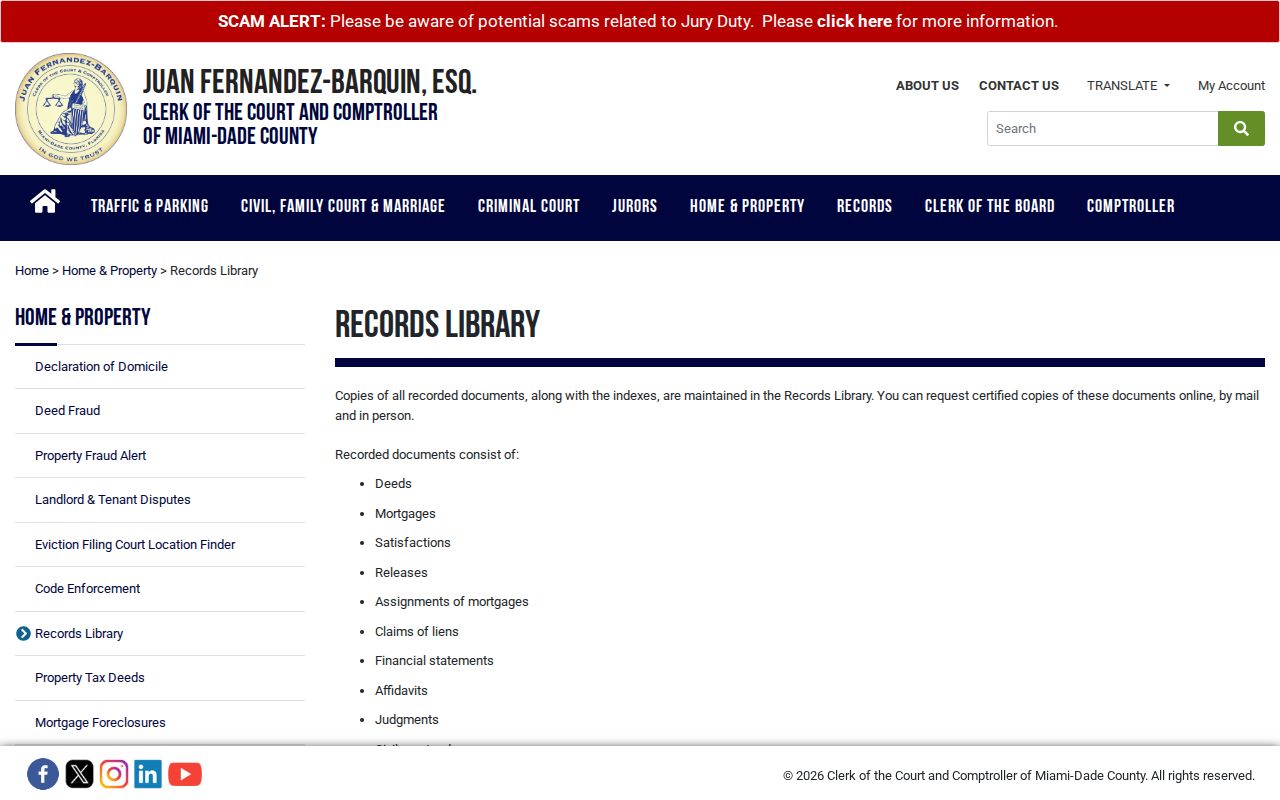
The library page explains the fallback path needed when an older owner is missing from the public web search.
Sunny Isles Beach Previous-Resident Eras
Local development changes the best evidence. County plats and deeds fit the 1920s resort period. The 1936 pier and the 1950s-1960s Motel Row era call for directories, telephone books, advertisements, maps, and open census schedules. Condominium growth in the 1960s and 1970s shifts attention toward unit folios, deeds, and assessment rolls. After municipal incorporation in 1997, city permits, code files, minutes, and local records requests add another layer.
This is also a geography issue. Pre-1997 resident research belongs chiefly in unincorporated Dade County records and Miami-area sources. Do not expect an older municipal Sunny Isles Beach archive to act like one continuous city file. The county changed its name to Miami-Dade in 1997, so search both county forms in catalogs.
Human-use tip. Probate, deeds, and obituary citations can reconnect heirs with family property when names and parcel facts agree.
Sunny Isles Beach Previous-Resident Property Changes
Sunny Isles Beach SmartGov can add project dates after the ownership chain is known. Its advanced search includes Site Address, Site ZIP, Parcel Number, submitted, issued, and finaled dates, Primary Contact, Primary Contractor, and Permit Project Name. The city says permitting became fully digital on January 2, 2024. Migrated-record coverage before that date is not stated.
SmartGov parcel data exists for permitting and may be stale. Verify the current owner in Miami-Dade Property Search. For files missing from the portal, contact the Building Department or submit a request to the City Clerk. Lien and open-violation letters are a paid city service keyed by address and folio, with standard and rush options.
Sunny Isles Beach Past Households
Deeds identify owners, not every previous resident. Miami-area city directories include name and address-arranged sections that may connect a listed occupant or business to a street number. Start with the newest directory before the date being studied, move backward one available edition at a time, and copy the full entry. The collections and verified issues are described on the Sunny Isles Beach city directory page.
Pair the directory result with an open federal census. Public population schedules currently run through 1950 under the 72-year rule. Search the newest census first. If the name index fails, identify the enumeration district and browse page images because OCR and automated name indexing can miss spellings.
- Choose the open census closest to the directory or known event.
- Match street, house number, name variants, age, and household relationships.
- Move to the prior directory edition and repeat the address check.
- Use deeds to separate occupants from owners and date a title change.
- Close a disappearance with probate or an obituary citation when available.
Lawful use. Research previous residents for family or house history. Never use an address trail to stalk, harass, or harm a living person.
Check Sunny Isles Beach Previous Residents
The National Archives explains the 72-year access rule and how to search population schedules. Most of the 1890 federal census was destroyed after a 1921 fire. MDPLS holdings such as the 1890 veterans material, Florida state censuses, directories, deeds, and newspapers can help fill that major gap.
Start with the National Archives census records overview for access and research routes.
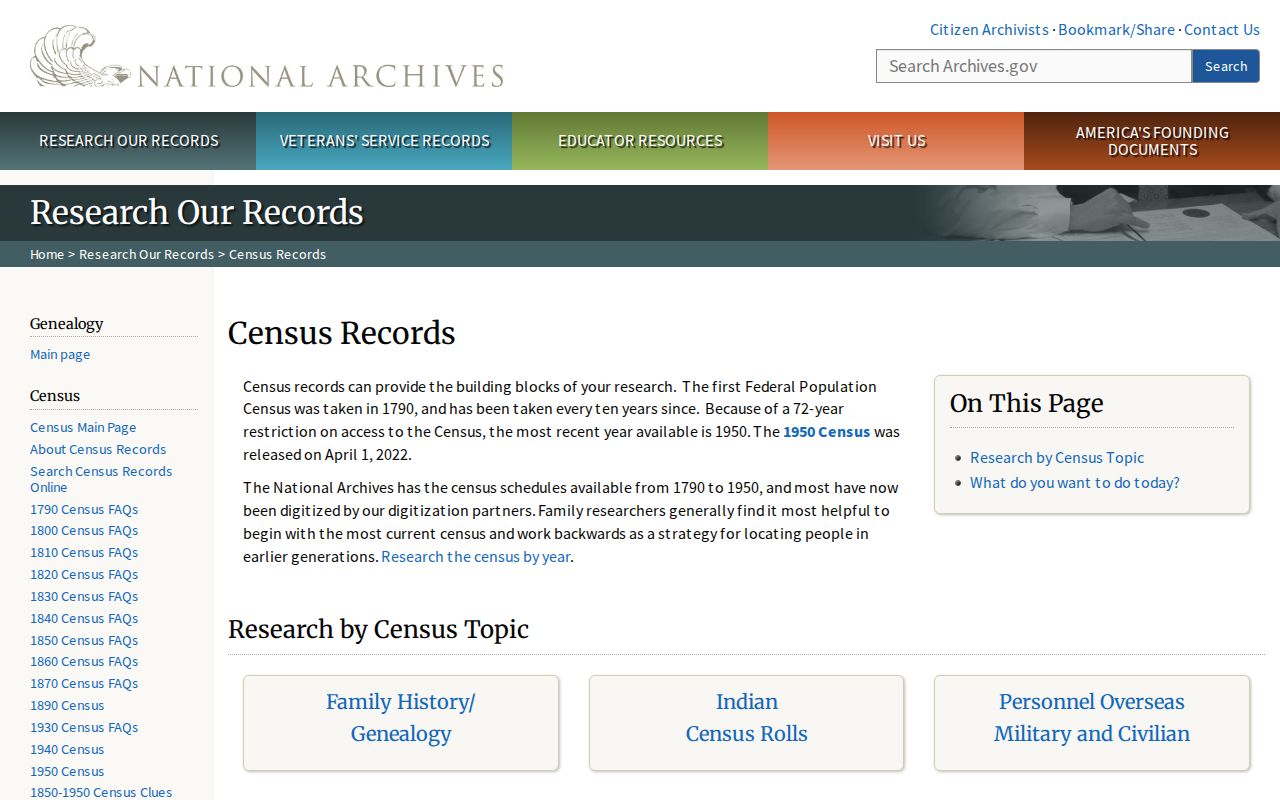
The overview clarifies which schedules are open and where federal census images can be found.
For the newest public schedule, read the 1950 Census search guidance.
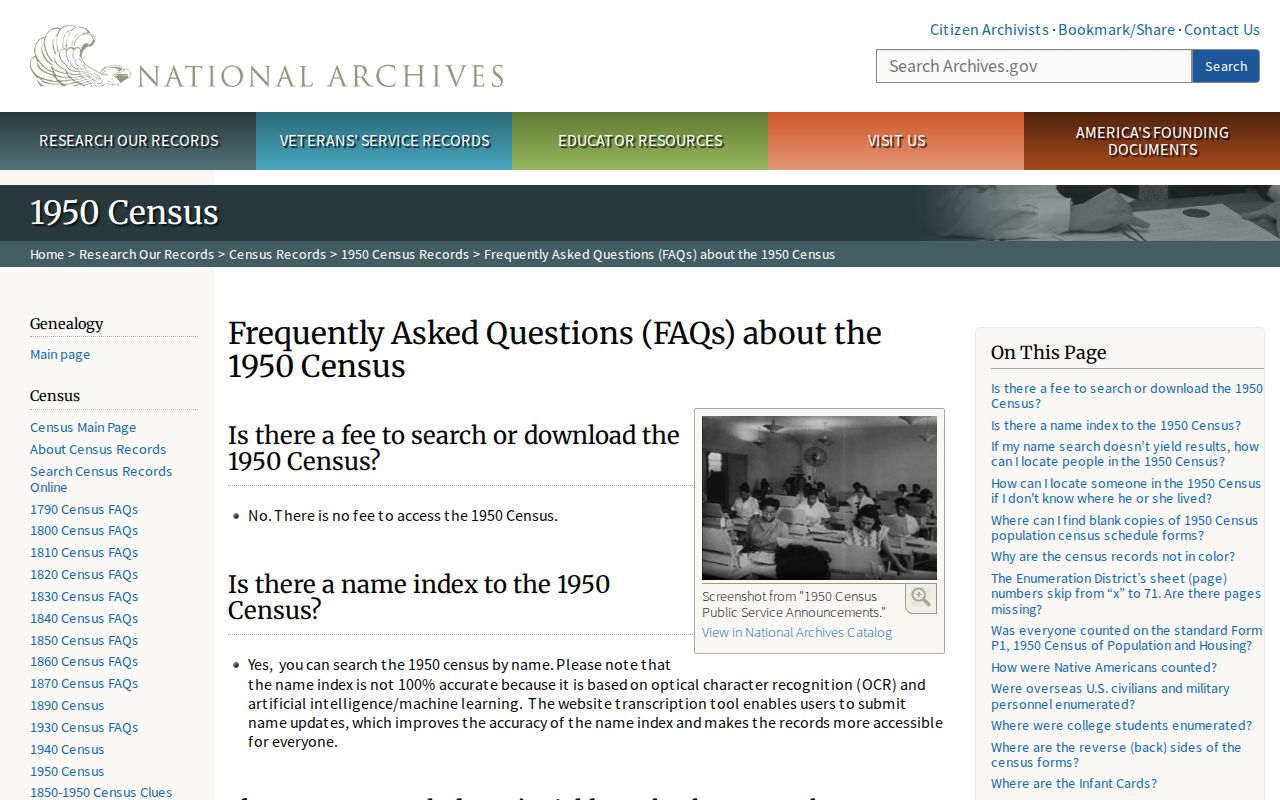
The guidance is useful when a person is absent from the automated index and the district must be browsed.
Close Previous-Resident Trails
Probate and obituaries can explain why a name leaves an address trail. Miami-Dade civil, family, and probate search results may identify a case, filing date, party role, date of death, interested persons, or attorney details when public. Restricted and sealed material remains unavailable. An index row shows that a filing exists, not that every claim in it is true.
FamilySearch catalogs the Dade County title Letters testamentary and administration, 1869-1911, filmed from county records.
The catalog entry supplies a route into early estate material when a deed chain reaches a deceased owner.
The free Miami-Dade Obituary Index covers 1896 through 2008 and more than 915,000 names. It returns citations, not always full articles. Search all name and date variants, then use library databases or Main Library microfilm for the cited newspaper. Compare the publication date with the last deed, directory, or census appearance before treating it as the end of one person's address trail.